
About
The project draws inspiration from the American Hardwood Export Council’s many high-profile and ambitious collaborations to date in Europe, the Middle East, Australia and South Africa. These projects have included multiple design teams, imaginative briefs, innovative designs and the very best of wood craftsmanship, to celebrate the beauty, performance and sustainability of American hardwoods.
Motivation
It wasn’t so long ago that we bought furniture to last. Chairs, dining tables, desks and sofas would have a place in our homes for decades, many handed down through generations. They were a part of our lives and embedded in our fondest memories. It was a time when we used to place value on our furniture, because it had value. And the reason it had value was because the people who made it placed value on the materials and workmanship. And because we valued it we looked after it. And if our furniture broke we fixed it, whether it was a new coat of varnish or new upholstery. And we did this again and again until we couldn’t squeeze any more life out of it.
Sadly, today most of the furniture available to us is cheap, mass-produced and low quality, designed to be disposable, because that’s the kind of society we live in now — one that consumes a lot and throws away a lot, all under the label of ‘convenience’. Everything has to be convenient because we are so busy.
Life in the fast lane seems to be the modus operandi for most people. We always seem to be rushing around, and usually going for the cheaper and more convenient option. Fast furniture is yet another element of our modern life. It makes sense to buy cheap and fashionable furniture because if we change our minds or see something we like better next week then it’s no big deal (it seems as though we have become as flimsy as our furniture).

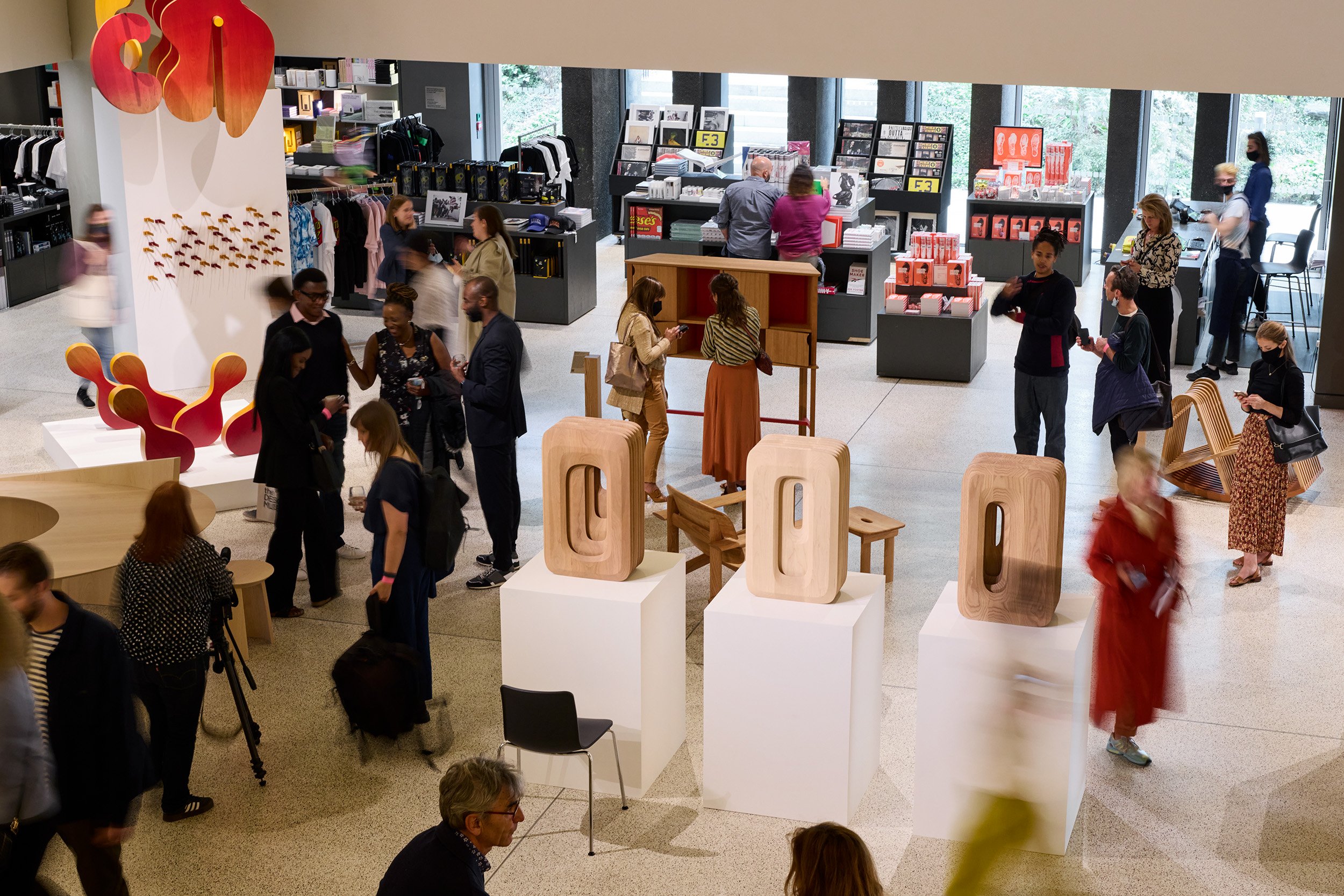
Out of the Wood, Tree Furniture, Anton Alvarez
The growing debate on sustainability and the need to end our current throwaway culture are issues that should affect all our day-to-day decision-making. Designers, especially, have a huge influence on how products are planned and with what materials. The future, at least in part, is in the hands of the next generation of designers.
Material
Wood is renewable and easily recycled. It can be used both as a material and a fuel; it is low impact and a carbon store. Strong for its weight, wood is also tactile, versatile and visually appealing, adding warmth to interiors and benefiting people’s health. With the world facing the ever-increasing impacts of climate change and of over-consumption of high-impact materials, the emphasis needs to shift to the environmental merits of making more use of what nature is growing.

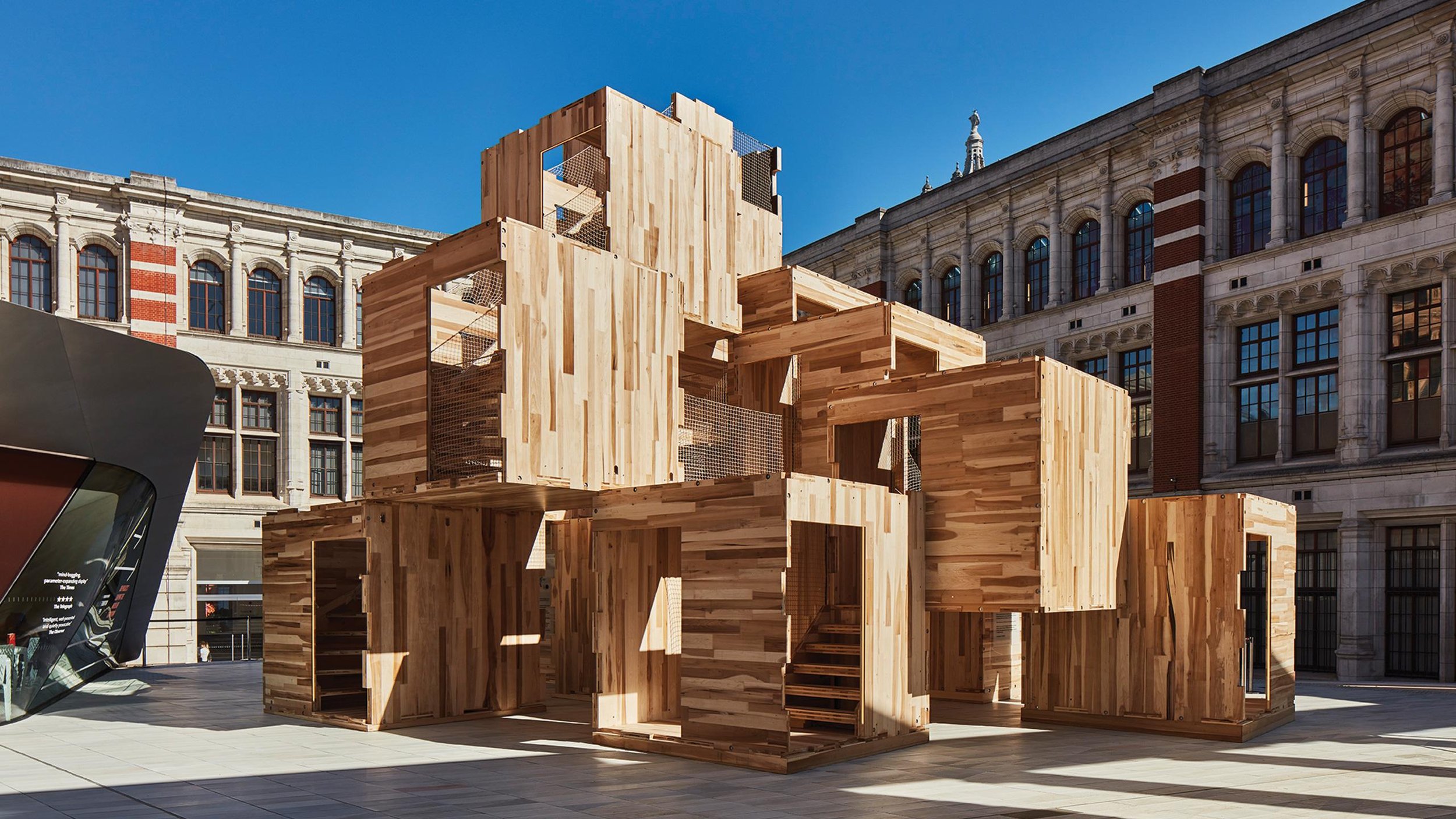
The Invisible Store of Happiness, Sebastian Cox and Laura Ellen Bacon

Red Oak , AHEC website
The material choices consumers, designers and manufacturers make have a direct effect on the composition and sustainability of forests. This project presents three beautiful and underused hardwood species - American red oak, cherry and maple - and questions whether the ‘obvious’ species are always the only ‘right’ woods to use.
The three sustainable wood species grow abundantly in the American hardwood forests, which run from Maine in the North, down to the Mississippi in the South, taking in a portion of the Midwest. They make up 30% the American hardwood forest and all contribute to its diversity and sustainability – red oak is the most widespread, for instance, while soft maple is the fastest regenerating hardwood species. With heat treatments and a variety of finishes all three are hugely versatile.
-
Named for the colour of its leaves in the autumn, this classic oak wood has a light brown sapwood, and a heartwood characterised by attractive warm reddish-pink tones. The colour of the wood shows variation, based on location. Red oak is straight grained, coarse-textured and distinctive. The grain is so open that smoke can be blown through it from end-grain to end-grain on a flat-sawn board. Lighter in weight, more flexible, but just as strong as European oak, it has medium bending strength and stiffness and high crushing strength. With an open and porous grain structure, it is very good for steam bending. It glues and joints well. Being hard, stable when dry and easy to finish and stain, it is ideal for furniture, flooring and cabinetmaking applications.
https://www.americanhardwood.org/en/american-hardwood/american-red-oak?species=31
-
The sapwood of hard maple is normally creamy white but can show a slight reddish/brown tinge. White sapwood lumber can be selected and veneer is always selected. The heartwood of hard maple varies in colour from light to dark reddish brown and may also vary according to region. The difference between heart and sap colour may only be slight. Both may contain pith fleck as a natural characteristic. The wood of hard maple has a close fine texture and is generally straight grained. Hard maple can occur as 'curly', 'fiddleback' and 'birds eye' figure. The wood darkens on exposure to light with time.Hard maple is hard, as the name suggests, and is heavy with good strength properties. It has high resistance to abrasion and wear as well as good steam bending properties. Accordingly it is a preferred species for flooring, including sports floors, bowling alleys and worktops.
https://www.americanhardwood.org/en/american-hardwood/american-hard-maple?species=29
-
The narrow sapwood is a light pinkish colour, while the heartwood varies from rich red to reddish brown, and darkens on exposure to light. It is a high-quality cabinet wood and may contain streaks of lighter sapwood and dark gum pockets. With a straight unpronounced grain and fine texture, the wood is medium density and moderately strong. It is easy to machine, shape and connect, and when sanded and polished, produces an excellent smooth, glassy finish. American cherry is also used for panelling, turnery, tobacco pipes, veneers and has been specified for its acoustic properties, for use in auditoriums and concert halls.
https://www.americanhardwood.org/en/american-hardwood/american-cherry?species=22
You can click on the link above for more detailed information about American hardwoods.

Natural Born, Tomek Rygalik
Sustainability & Environmental Accounting
When designing for this project, consideration must be given to both the environmental impact and human health and well-being. While non-wood materials will need to be used in the design of the pieces, such as steel for framing, metal fixtures, glues, resins and coatings, AHEC would encourage the designers to consider the environmental impact of these materials in the overall design. American hardwoods have an extremely low environmental impact and, by nature, they act as a carbon store. The more wood used in each design, the more carbon is kept out of the atmosphere and the lower the overall environmental impact of the finished piece.
The material and energy data for each piece will be collected and AHEC's unique Life Cycle Assessment (LCA) research and modelling system will be used to produce full scientific environmental impact assessments for each piece.